
Our own seedlings
We raise our plants in our own greenhouse nursery, so we know where every vine comes from.
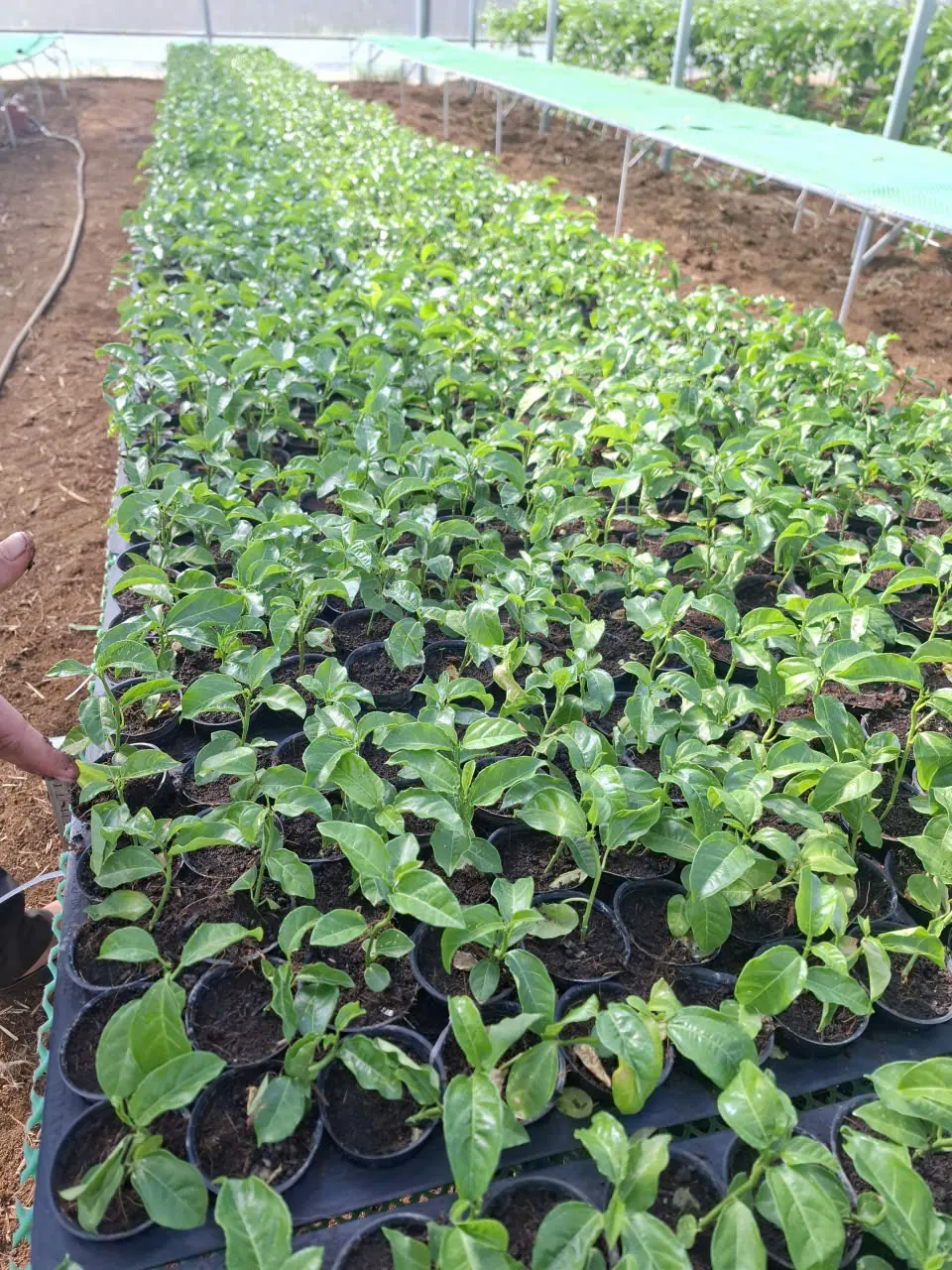
Seedlings are raised in trays on raised benches under net and film, protected from heavy rain and pests.
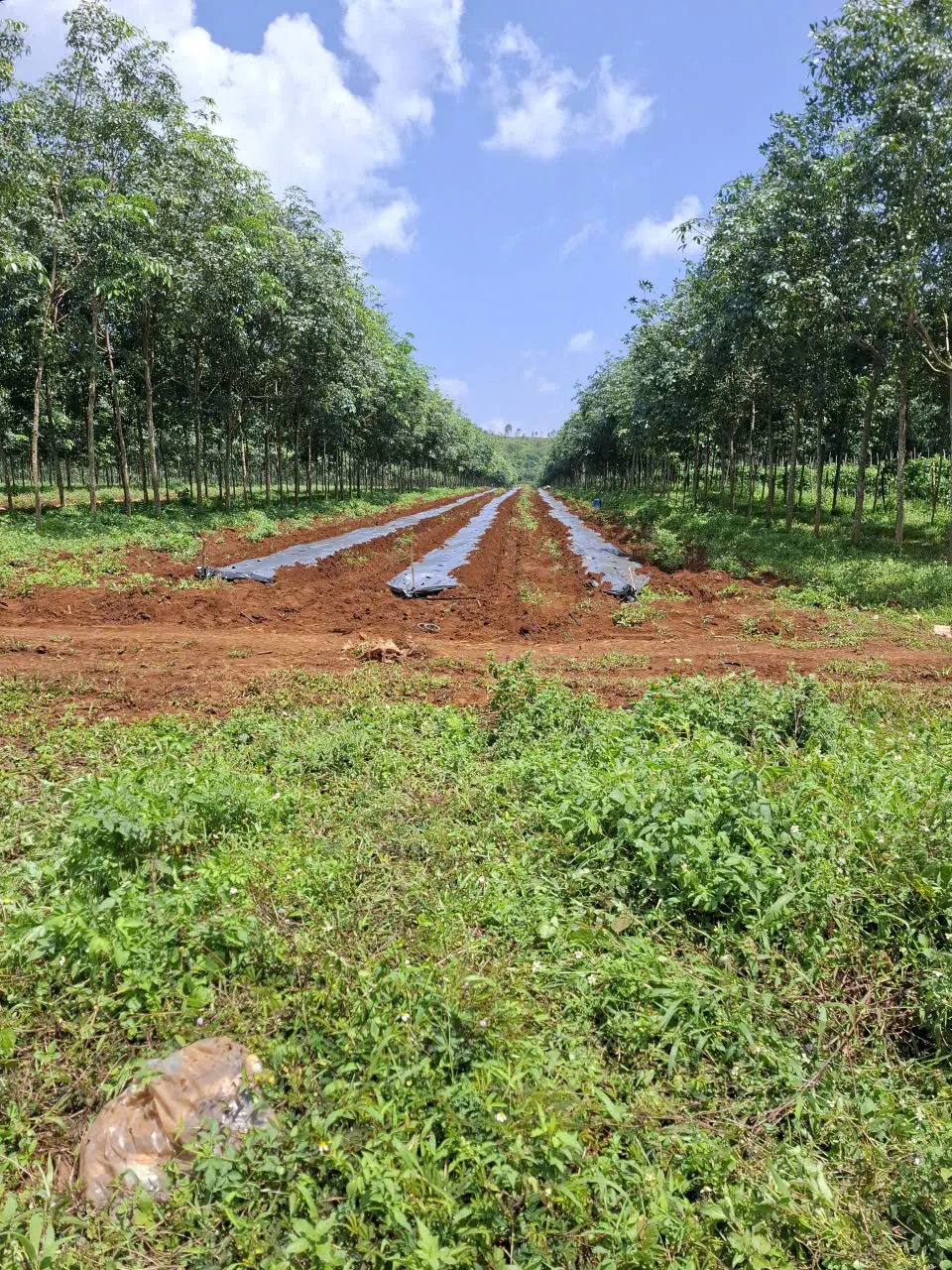
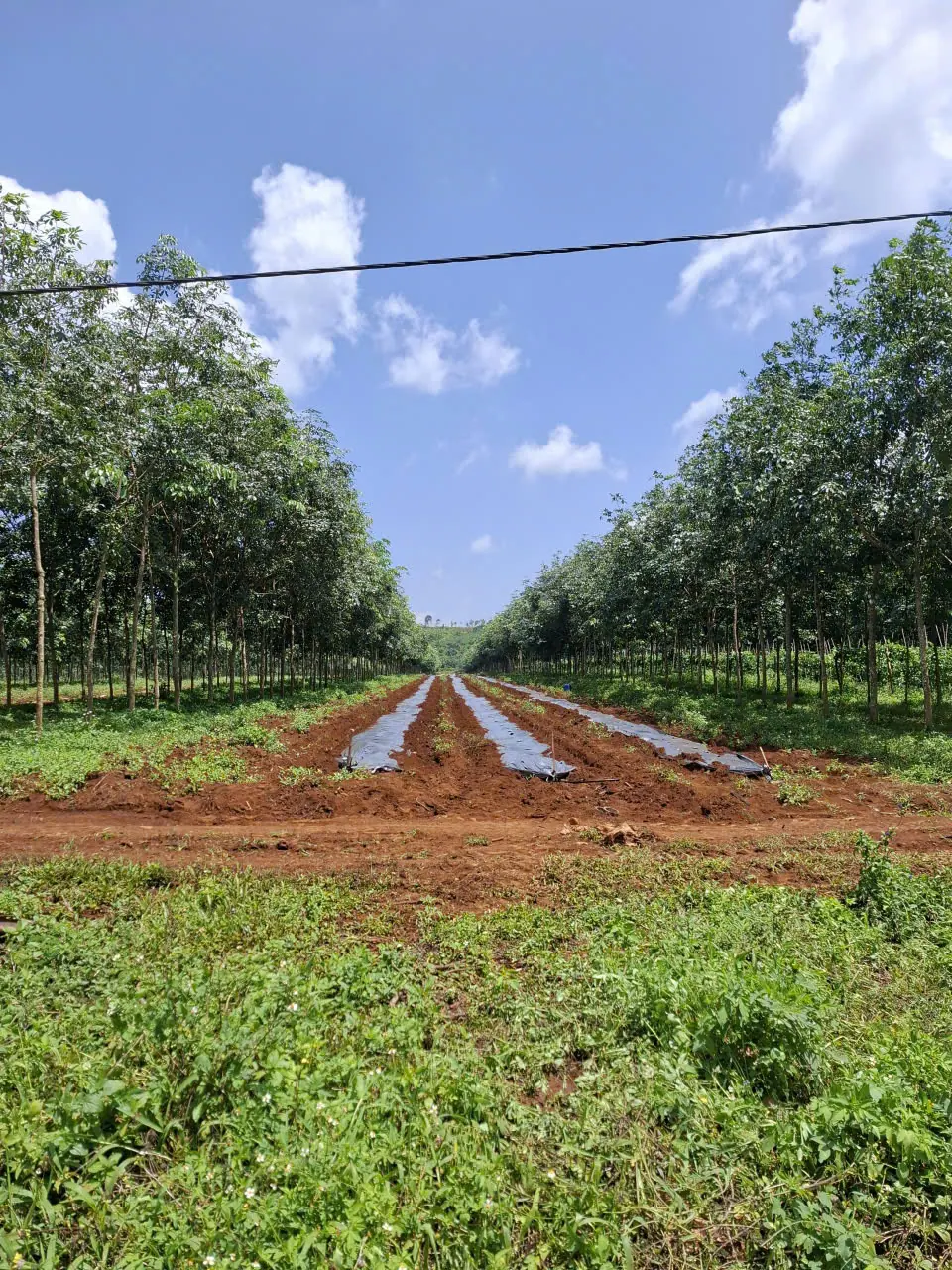
Rows are shaped in the basalt soil and covered with mulch film to keep moisture in and weeds down.
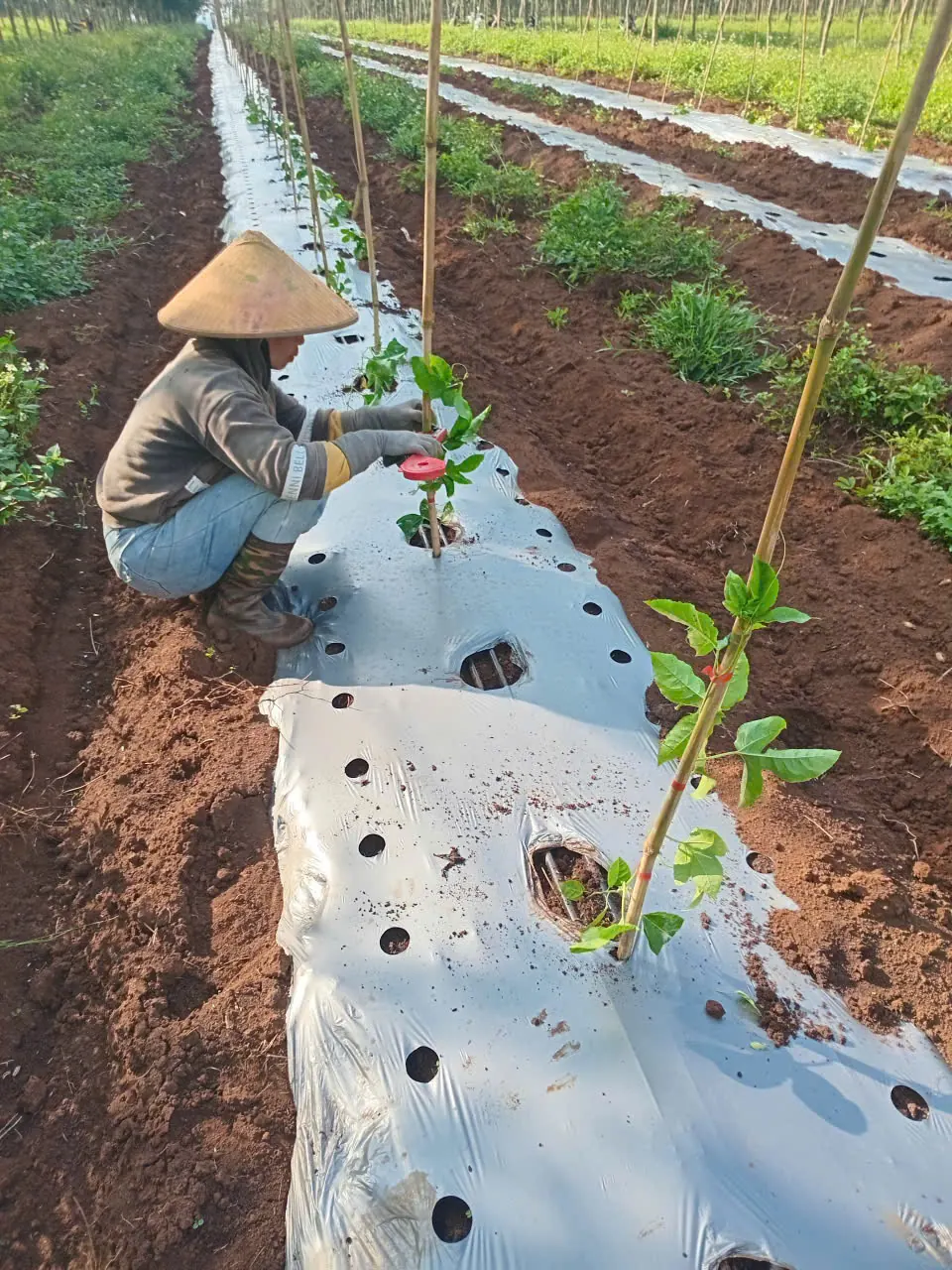
Each seedling is planted by hand through the film, beside its own bamboo stake.
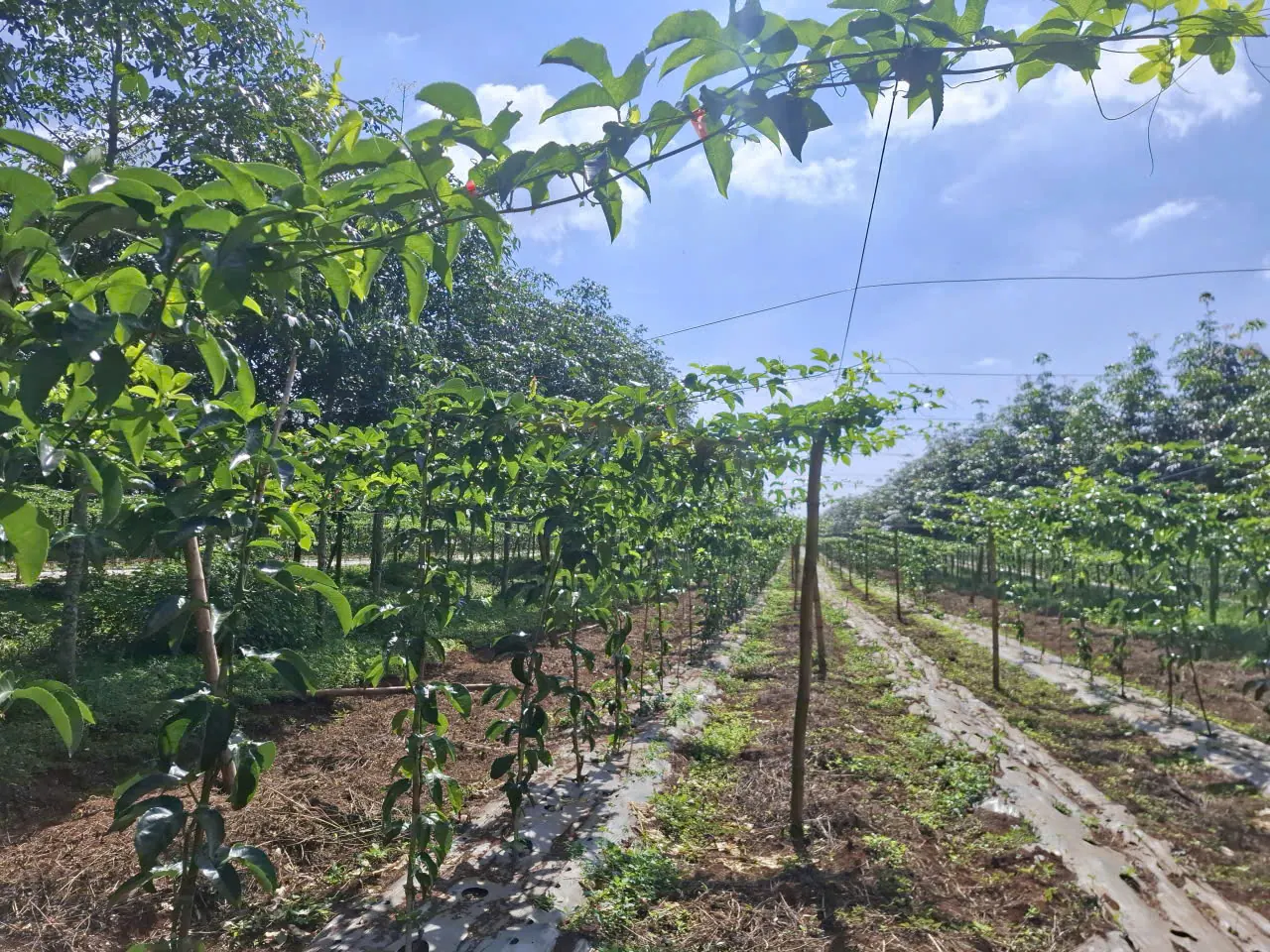
Vines climb a trellis of posts and wire. Drip lines deliver water and nutrients to each plant.
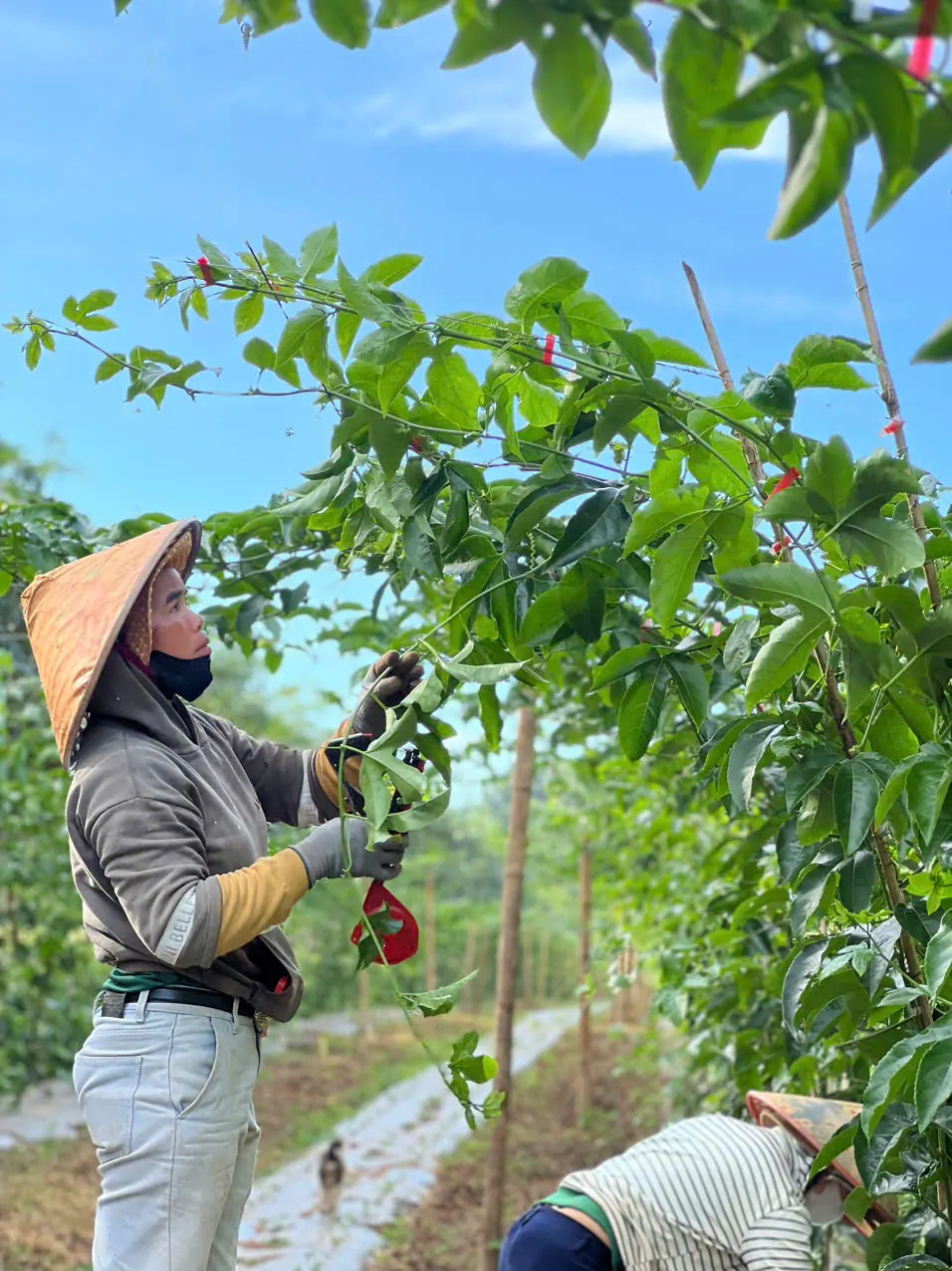
Our team trains and prunes the vines and keeps records of the work in every growing lot.
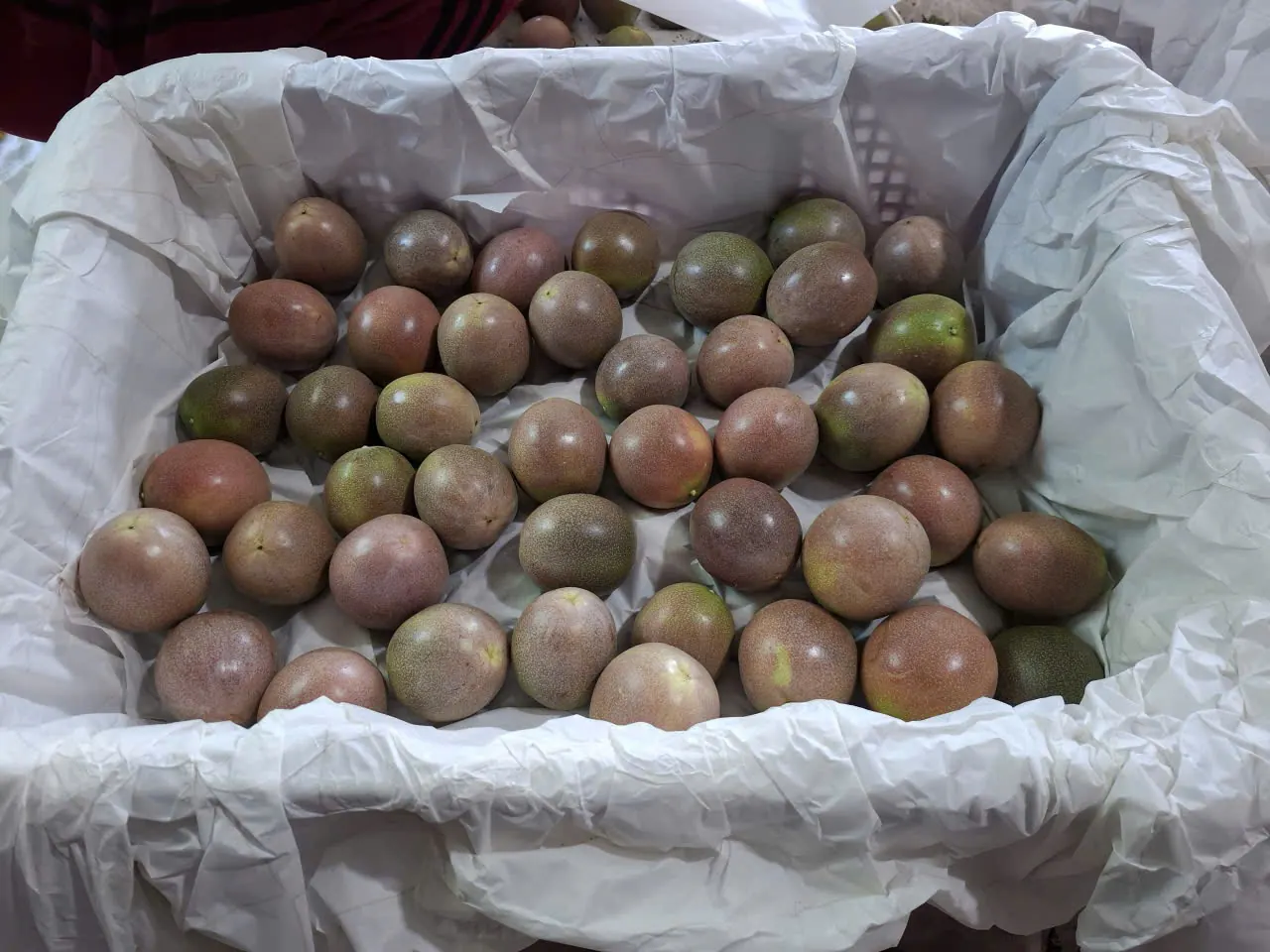
Fruit is picked at maturity, sorted by hand and packed into clean crates on the farm.
Automated irrigation
A simulation of the farm's automated irrigation and fertigation system. A PLC controller opens the valves for six planting blocks in turn, while the operator monitors and sends commands from the web or a phone.
We raise our plants in our own greenhouse nursery, so we know where every vine comes from.
Drip irrigation gives each plant what it needs and nothing is wasted.
Microbial fertilisers are part of our soil programme, alongside balanced nutrition.
Work, inputs and harvests are recorded by growing lot in our farm management system.
Global standards
Buyers in different markets follow different rules. These are the standards most often asked about for fresh fruit — and how we approach them.
The international standard for good agricultural practice on farms, widely requested by importers and retailers.
Vietnam’s national standard for good agricultural practice, covering safety, traceability and working conditions.
Organic rules such as EU Organic, USDA Organic and Japan’s JAS set strict limits on inputs and require a conversion period.
HACCP and ISO 22000 manage hygiene and food-safety risks in harvesting, packing and handling.
Each market sets maximum residue limits for crop-protection products — from Codex Alimentarius to the EU, Japan and Korea.
Shipments need a phytosanitary certificate under the international plant protection rules (IPPC).
Some markets, such as China, require registered growing-area and packing-house codes for fresh fruit.
For our future coffee, programmes such as Rainforest Alliance and 4C are common buyer requirements.
Our approach: we farm and keep records with these standards in mind from the very first season, so our partners can build on a clear foundation.